US Supreme Court Set To Rule On Trump’s Bid To End Birthright Citizenship
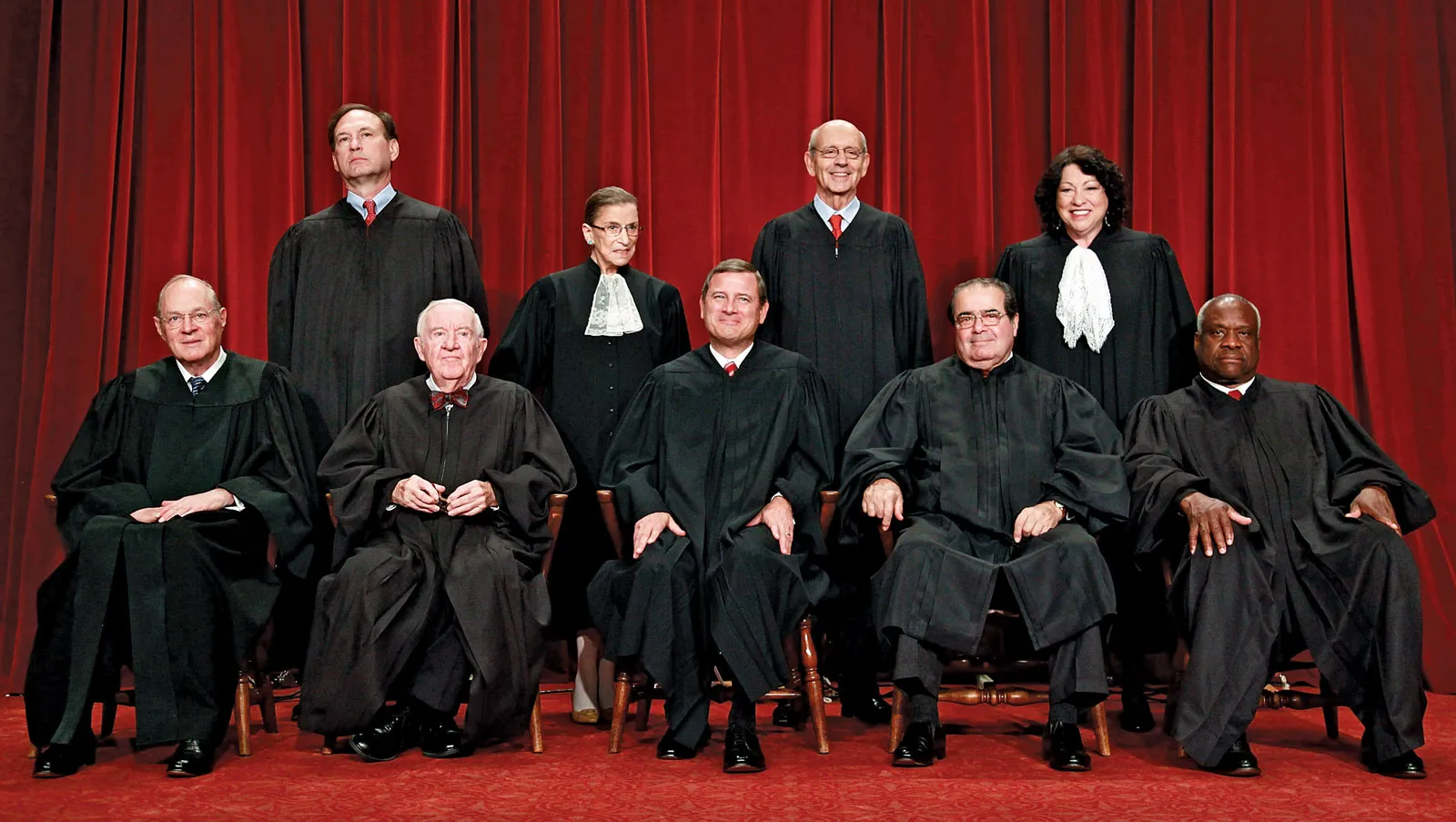
The U.S. Supreme Court is preparing to take on one of the most consequential immigration cases in modern history: President Donald Trump’s renewed attempt to end birthright citizenship for children born in the United States to parents who are in the country illegally or temporarily. The outcome could reshape a core principle of American identity and redefine the limits of presidential power over citizenship.
A Historic Legal Showdown
On Friday, the Supreme Court agreed to hear Trump’s appeal of a lower-court ruling that blocked the policy before it could take effect anywhere in the country. Arguments are expected in the spring, with a final decision anticipated by early summer.
At the center of the case is Trump’s Jan. 20 executive order,signed on the first day of his second term,which seeks to reinterpret the 14th Amendment’s guarantee of birthright citizenship. The directive asserts that children born on U.S. soil to parents without legal status or on temporary visas should no longer be granted automatic citizenship.
The move marks a significant escalation in the administration’s broader immigration crackdown, which has included unprecedented enforcement actions and new legal strategies aimed at reducing unauthorized immigration.
Immigration Crackdown Meets Judicial Resistance
Trump’s citizenship order is part of a wider series of aggressive policies. These include immigration enforcement surges in major cities and the first peacetime attempt to invoke the 18th-century Alien Enemies Act. Federal courts, however, have responded unevenly.
The Supreme Court temporarily blocked the administration’s effort to use the Alien Enemies Act to expedite deportations of alleged Venezuelan gang members. Yet, the Court also allowed Los Angeles immigration stops to resume after a lower court halted them due to concerns about targeting individuals based on “race, language, job, or location.”
Another key administration request,seeking emergency approval to deploy National Guard troops for immigration operations in Chicago,remains unresolved after a lower court issued an indefinite freeze.
Lower Courts Had Already Raised the Alarm
Even before the Supreme Court stepped in, Trump’s birthright citizenship order had sparked intense legal battles. In July, a federal judge issued a nationwide block against the directive, halting enforcement entirely.
U.S. District Judge Joseph Laplante, a George W. Bush appointee, delivered a forceful ruling. He authorized a new nationwide class comprising individuals who could be deprived of citizenship under the order. He then issued an injunction protecting “born and unborn babies who would be impacted by the policy.”
Laplante emphasized the profound nature of the issue, calling the deprivation of citizenship and reversal of decades-long precedent “irreparable harm.” He added that “U.S. citizenship … is the greatest privilege that exists in the world.”
Although Laplante briefly paused the injunction to allow for appeals, his ruling became a major obstacle to the administration’s plans—especially as courts across the country reevaluated their authority to issue nationwide injunctions in light of recent Supreme Court guidance.
What the Supreme Court’s Decision Could Mean
Now that the justices have taken the case head-on, the stakes are enormous. The Supreme Court’s ruling could decisively determine whether a president has the power to unilaterally reinterpret the 14th Amendment, or whether such a shift requires congressional action, constitutional amendment, or is outright unconstitutional.
A decision in Trump’s favor would fundamentally alter the meaning of birthright citizenship, potentially affecting generations of children born to undocumented or temporary-status parents. A ruling against the administration would reaffirm long-standing constitutional interpretations and place firm limits on executive authority in matters of citizenship.
A Defining Case For American Identity
Beyond legal technicalities, the case strikes at the heart of what it means to be American. Birthright citizenship has been a cornerstone of U.S. identity since Reconstruction, symbolizing equality, inclusion, and national belonging. Revisiting this principle sets up a monumental debate about history, law, and the future of immigration policy.
As the Supreme Court prepares to hear arguments, both legal scholars and policymakers agree on one thing: the decision will likely be one of the most impactful immigration rulings in decades. It will shape not just the fate of Trump’s order, but the boundaries of presidential power and the enduring meaning of American citizenship.