Russia Moves to Revive Economic Cooperation With Nigeria
Russia has signaled a renewed commitment to rebuilding economic cooperation with Nigeria after more than a decade of stagnation in their bilateral relationship. According to Russia’s Ambassador to Nigeria, Andrey Podelyshev, both nations are now working actively to revive the long-dormant Intergovernmental Commission on Economic Cooperation, a key platform designed to accelerate joint projects and investments.
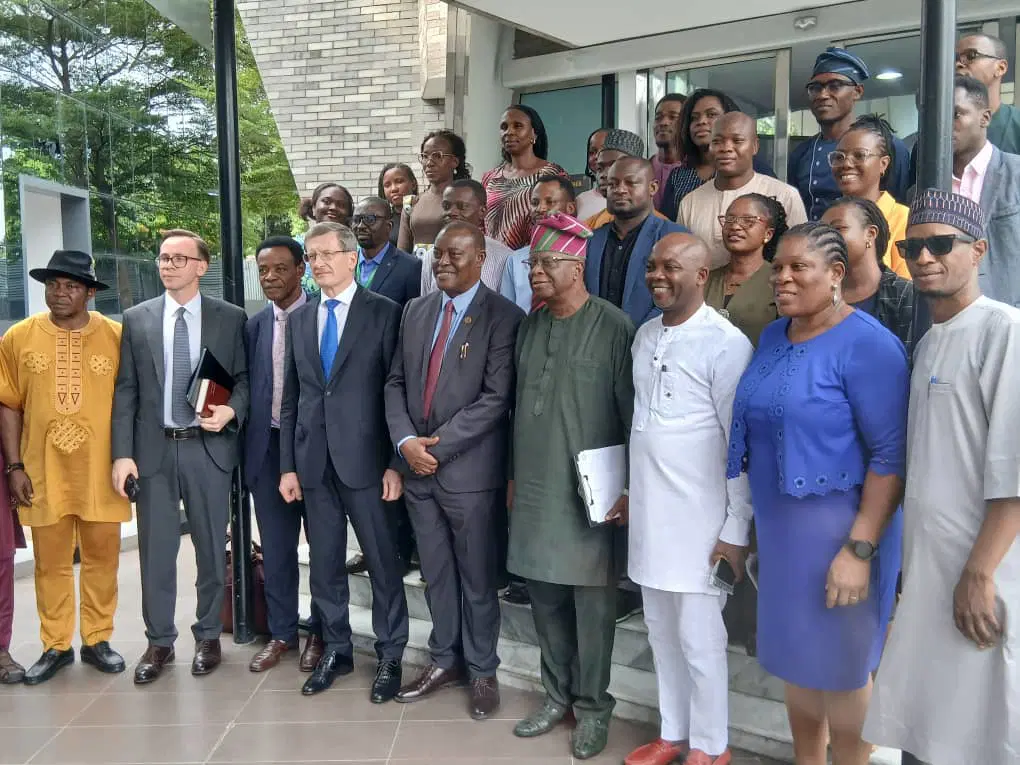
Podelyshev made these remarks while speaking at the Nigerian Institute of International Affairs, NIIA, during an Ambassadorial Forum themed “Russia’s Foreign Policy and its Priorities, Prospect for Multilateral Diplomacy.” He highlighted that the commission’s last session was held in 2016, emphasizing the need to restart discussions on potential areas of partnership.
Delayed Investment Agreement Slowing Russian Business Interest
The ambassador noted that Russian companies remain interested in investing in Nigeria, particularly in key sectors, but the absence of a ratified agreement on mutual investment protection has discouraged investors. He explained that Russia had already proposed a draft agreement, yet Nigeria has not provided a response or counter-draft.
Podelyshev stressed that progress is being made as both nations continue consultations, especially with Nigeria’s Ministry of Finance, to expedite the approval process. He expressed optimism that the agreement could be finalized and signed during the next session of the Intergovernmental Commission, offering legal and financial assurances that would attract Russian investors.
Academic and Cultural Exchange as a Bridge for Understanding
Beyond economics, the ambassador also called for a reinvigorated academic and scholarly exchange between Nigeria and Russia. He noted that cooperation in education dates back to the 1960s, when the USSR offered scholarships to Nigerian students, thousands of whom graduated in engineering, medicine and other technical fields.
This tradition continues today, with hundreds of Nigerian students enrolling in Russian universities annually. Podelyshev emphasized that Russian diplomas, especially in medical and technical disciplines, remain highly valued, strengthening people-to-people ties and paving the way for deeper bilateral cooperation.
Broadening Cooperation in Energy, Security, and Infrastructure
Podelyshev outlined expanding ties in multiple sectors, including energy, security and industrial development. He stated that Russia and Nigeria are already collaborating on coal, gas and nuclear energy projects, with plans underway to establish a Center for Nuclear Science and Technology Research in Nigeria.
Russian companies have also expressed interest in upstream oil and gas operations, infrastructure modernization and the revival of industrial facilities originally built with Soviet assistance. He added that there is growing potential to launch new projects in transport and technology.
In security, an active agreement on military-technical cooperation enables Nigeria to receive Russian equipment and training for its military personnel. This partnership, he said, strengthens Nigeria’s ability to combat terrorism and violent extremism. Cooperation is also expanding into digital technology, healthcare and cultural exchange.
A Vision for Long-Term Strategic Partnership
The ambassador stressed that relations between Nigeria and Russia are transitioning from occasional collaborations to long-term strategic engagement. He also reiterated Russia’s support for reforming the UN Security Council to give Africa, particularly Nigeria, a more influential role in global governance.
According to Podelyshev, Russia views Nigeria as a potential global center of progress in a rapidly changing world. With its population size, abundant resources and regional leadership, Nigeria, he said, has the potential to evolve into one of the world’s major centers of power.
He also highlighted the growing influence of BRICS countries such as China, India and Brazil, noting that greater cooperation among these nations and the UN could form a strong global alliance.
Nigeria Seeks Clarity on Russia’s Role in Africa
In his remarks, the Director-General of the NIIA, Prof. Eghosa Osaghae, acknowledged Russia’s growing footprint in global geopolitics and within West Africa and the Sahel. He said Nigeria is keen to understand Russia’s perspectives on key areas such as security, economic development and the evolving global order.
Osaghae also noted that the conflict in Ukraine carries significant global implications and welcomed any effort aimed at restoring peace in the region.