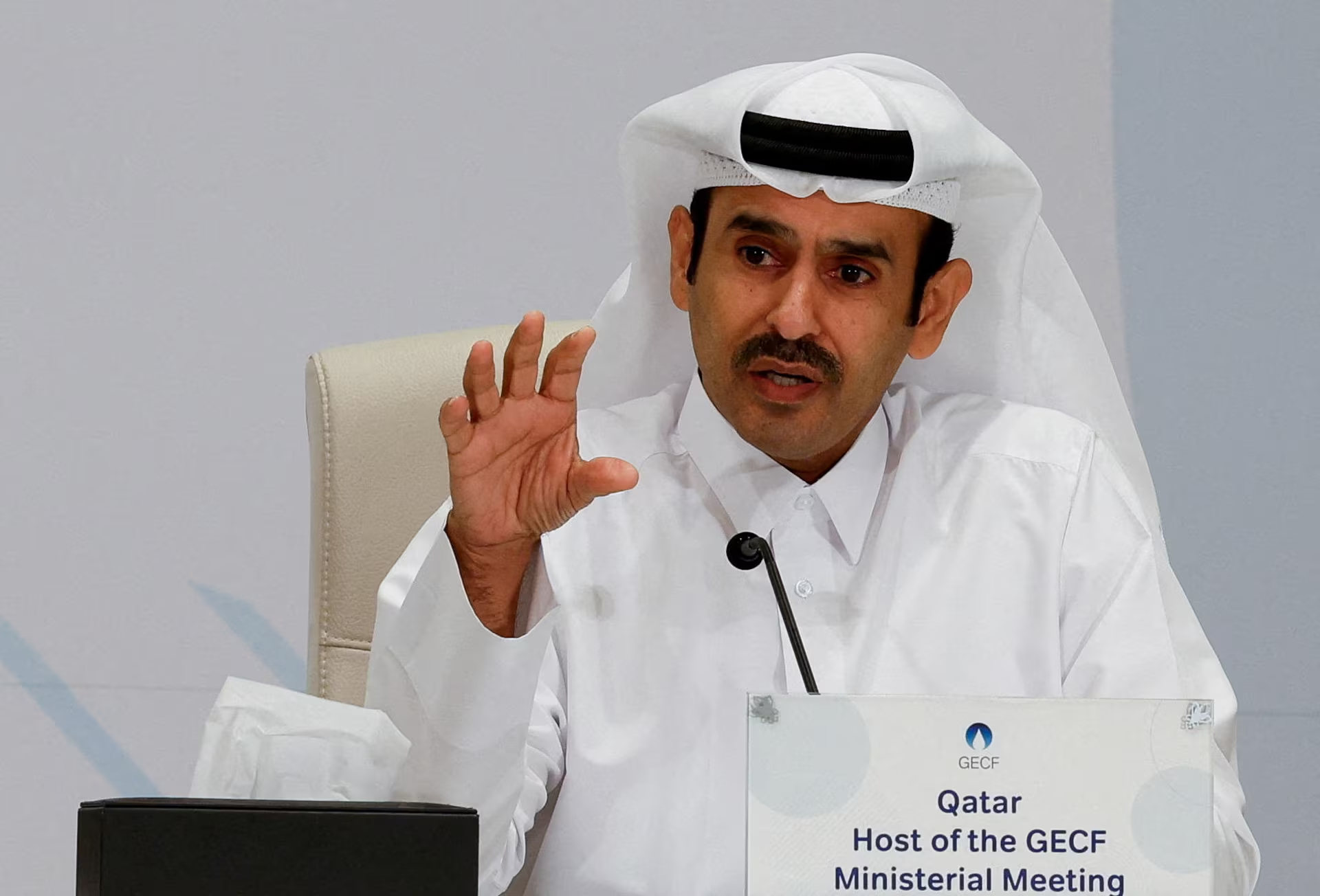
qatar energy minister saad bin sherida Al kaabi
Qatar’s Energy Minister, Saad al Kaabi, has expressed optimism that the European Union will resolve corporate concerns surrounding its sustainability regulations before the end of December. Speaking at the Doha Forum in Qatar, he noted that the country remains frustrated with the EU’s Corporate Sustainability Due Diligence Directive, CSDDD, a policy that has raised tensions between Qatar and European partners. The directive threatens fines of up to 5 percent of a company’s global revenue, a measure that Qatar believes could negatively impact energy cooperation.
Tensions Rise Over CSDDD and Potential Gas Supply Risks
The CSDDD has become a contentious issue for Qatar, with officials previously warning that strict enforcement could affect the nation’s willingness to supply gas to Europe. Qatar has repeatedly stated that it will not commit to net zero emissions targets at the expense of its economic interests. The ability of the EU to provide clarity and resolve business concerns remains crucial for maintaining stable energy relations.
Rising Global Gas Demand, Driven by AI and Expanding Energy Needs
According to Kaabi, global gas demand is set to remain strong in the coming years. He highlighted the rapidly growing energy needs of artificial intelligence systems, noting that LNG demand could reach between 600 and 700 million tonnes per annum by 2035. He emphasized that he has “no worry at all about gas demand in the future,” pointing to AI as a major driver of sustained consumption.
North Field Expansion to Boost Qatar’s LNG Capacity
Qatar continues to scale up its LNG capabilities through the massive North Field expansion project. At full production, it is expected to deliver 126 million metric tonnes of LNG per year by 2027, representing an 85 percent increase from the current 77 million tonnes. Kaabi also confirmed that the first train of the Golden Pass LNG project, a joint venture with ExxonMobil in Texas, is set to come online by the first quarter of 2026.
Oil Prices, Investment Outlook, and Warning of a Gulf Real Estate Bubble
Kaabi noted that oil prices in the range of 70 to 80 dollars per barrel would generate sufficient revenue for companies to invest in future energy projects. However, he cautioned that prices above 90 dollars could become excessive and create economic imbalances. He also issued a warning about the Gulf region’s real estate sector, stating that too many developments are underway and that a real estate bubble may be forming.